
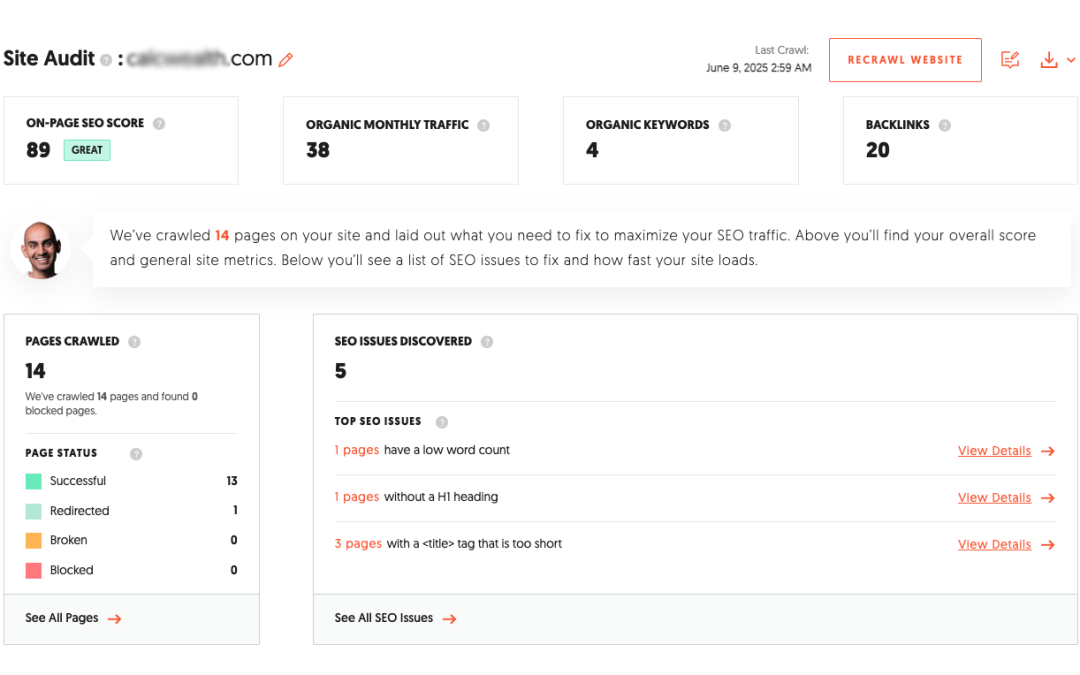
SEO doesn't have to feel like rocket science. While many small business owners view search engine optimization as an intimidating technical challenge, the reality is much simpler: a few strategic changes can dramatically improve how customers find your business online.
The beauty of on-page SEO lies in its accessibility. You don't need coding skills or a marketing degree to implement these strategies. Whether you're a consultant, retailer, or creative professional, these five actionable techniques will help you climb search rankings and connect with more ideal customers.
Ready to turn your website into a powerful business asset? Let's dive into practical SEO strategies that deliver real results.
1. Master Strategic Keyword Placement for Each Page
Search engines evaluate individual pages, not entire websites. This means every page represents a unique opportunity to rank for specific terms your customers are searching for.
Your action plan:
- Research keywords using free tools like Google Keyword Planner, Answer the Public, or Ubersuggest
- Focus on long-tail phrases that show purchase intent ("affordable web design for restaurants" beats "web design")
- Build dedicated pages for each service, product category, or location you serve
- Integrate keywords naturally into page titles, headings, opening paragraphs, and image descriptions
Think like your customer: What specific problem would drive them to Google? Use their exact language in your content to create an instant connection.
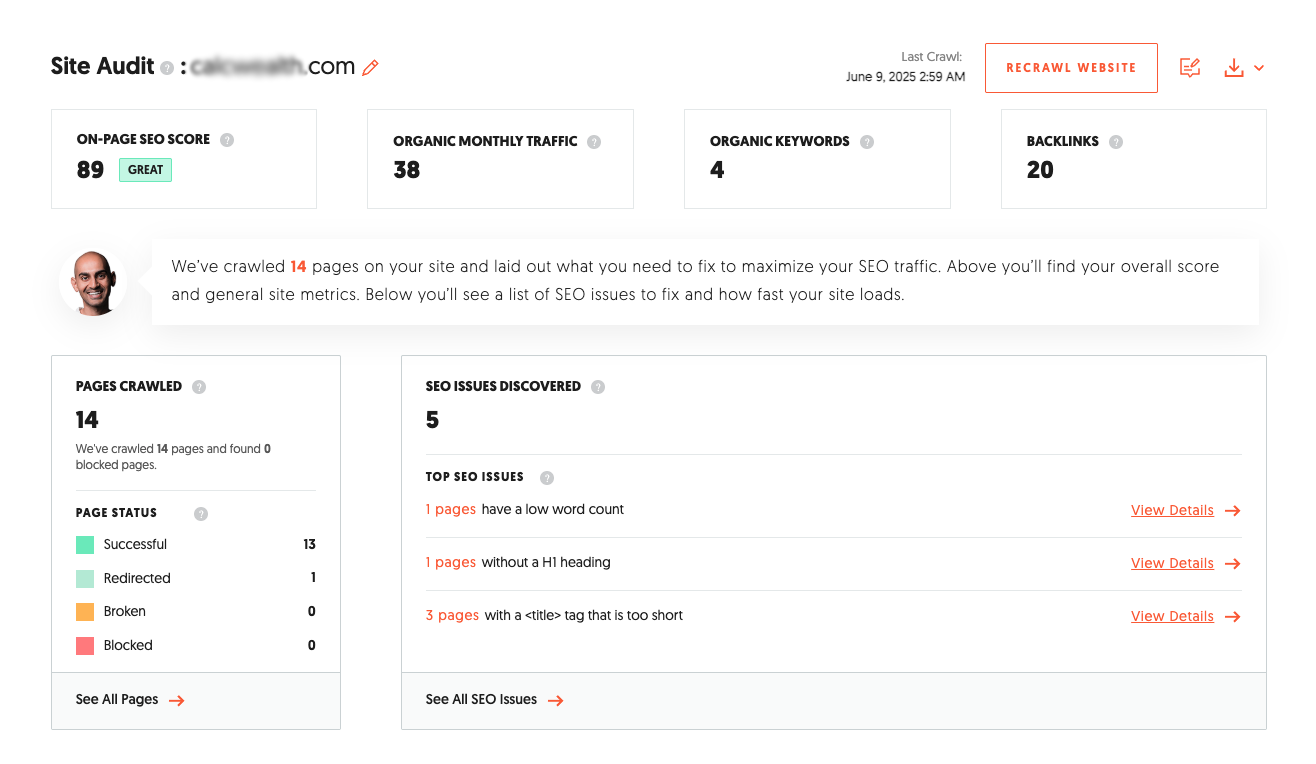
2. Create Content That Both Humans and Search Engines Love
Great content serves two masters: your visitors who need valuable information and search engines that reward helpful, well-organized pages. The sweet spot? Content that's scannable, informative, and genuinely useful.
Your action plan:
- Structure content with clear H1 titles and logical H2/H3 subheadings
- Break up text with short paragraphs (2-3 sentences max) and bullet points
- Write at least 300-500 words of substantive content that addresses real customer questions
- Include your target keywords naturally, especially in headings and introductory paragraphs
Readability matters: Tools like Grammarly or the Hemingway Editor can help you write clearly and conversationally, making your content accessible to broader audiences.
3. Build Authority Through Smart Internal Linking
Internal links create pathways that guide both search engines and visitors through your website. They signal which pages are most important while helping users discover related content that keeps them engaged longer.
Your action plan:
- Link to relevant pages whenever you mention related topics (connect blog posts to service pages, testimonials to contact forms)
- Use descriptive link text instead of generic phrases ("view our portfolio" instead of "click here")
- Ensure your most important pages are easily accessible within 2-3 clicks from your homepage
- Regularly audit your content to add internal links to newer pages
Strategic tip: When publishing new content, review older posts for opportunities to link to your fresh material. This helps new pages gain authority faster.
4. Enhance Engagement with Compelling Visual Content
Visual elements like videos, infographics, and custom images keep visitors on your site longer—a key ranking signal for search engines. Plus, visual content caters to different learning preferences and increases social media shareability.
Your action plan:
- Create short videos that summarize key points or showcase your work process
- Design branded infographics that simplify complex information or highlight statistics
- Optimize all visual content with descriptive file names and alt text
- Embed videos from YouTube to benefit from dual SEO opportunities
Pro strategy: Visual content often performs exceptionally well on Pinterest and social media, creating additional traffic sources beyond search engines.
5. Leverage SEO Tools for Effortless Optimization
Modern SEO plugins eliminate much of the guesswork from optimization. These tools provide step-by-step guidance while connecting you to valuable Google resources that reveal exactly how your site performs.
Your action plan:
- Install Yoast SEO, RankMath, or similar plugins on your WordPress site
- Follow plugin recommendations for optimizing titles, descriptions, and keyword usage
- Connect your site to Google Search Console to monitor performance and identify opportunities
- Submit your sitemap through Search Console to help Google index your pages
Free insight goldmine: Google Search Console shows which search terms bring visitors to your site, revealing new keyword opportunities you might have missed.
Building Momentum Through Consistent Action
Effective SEO isn't about implementing every strategy simultaneously—it's about making steady improvements that compound over time. These five techniques provide a solid foundation for long-term growth.
Start with the strategy that feels most manageable, whether that's improving your keyword research or adding more visual content. As you see results, gradually incorporate additional techniques to build a comprehensive SEO approach.
Remember, your goal isn't to game the system but to create genuinely helpful resources that serve your audience while meeting search engine standards. When you focus on value creation, improved rankings and increased traffic naturally follow.
The businesses that succeed online are those that consistently show up for their customers. With these practical SEO strategies, you're well-equipped to do exactly that.